
Elevating the Standards: A Strategic Framework for Preserving China’s Architectural Heritage
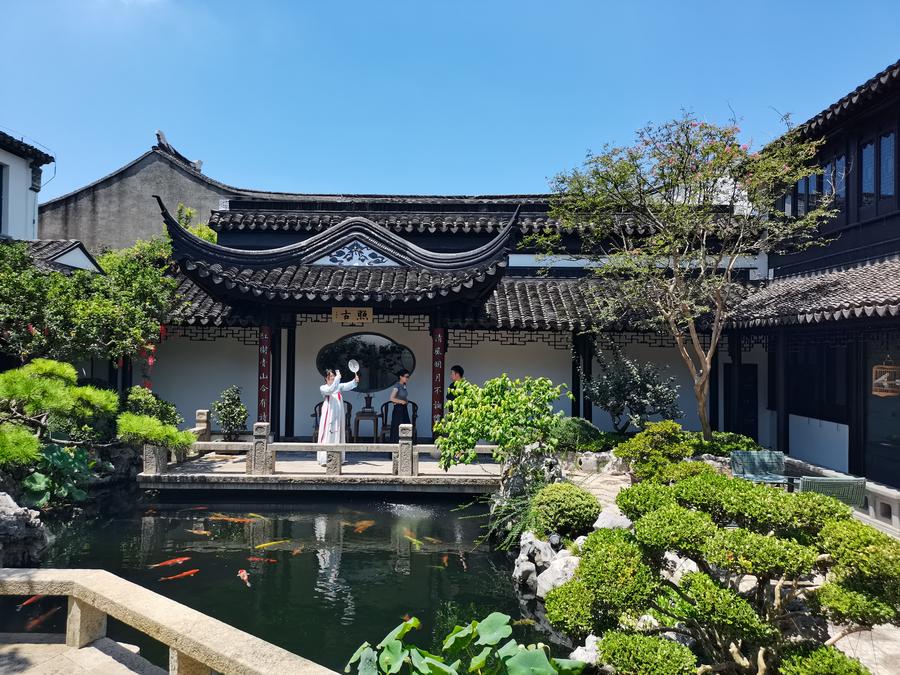
The recent commitment by the Ministry of Housing and Urban-Rural Development to refine technical standards for the protection and utilization of traditional villages marks a significant turning point in China’s cultural preservation strategy. With a total of 8,155 villages already designated on the state-level protection list, and an additional 5,000+ at the provincial level, we are dealing with a portfolio of heritage assets that requires a far more sophisticated management approach than simple preservation. As noted by Vice Minister Qin Haixiang, the goal is to shift away from "oversimplified" restoration methods toward a granular, high-quality technical framework that balances historical integrity with modern adaptive reuse.
This initiative is particularly timely given the upcoming investment cycle from 2026 to 2028. The central government’s plan to fund thematic conservation zones for counties with "sound foundations and distinctive local features" is a classic example of targeted fiscal allocation designed to generate high-value cultural brands. By providing these localities with both the financial budget and the technical specifications required for restoration, repair, and renewal, the policy creates a clear path for converting dormant historical assets into vibrant, economically viable centers for tourism, education, and artistic exchange.
The technical complexity of this work cannot be overstated. Restoring a traditional timber-frame structure or a heritage village layout requires a multi-disciplinary approach that merges ancient craftsmanship with modern material science and structural safety standards. By developing detailed technical standards for "adaptive reuse," the government is essentially creating a software update for these villages—allowing them to accommodate modern utilities, sanitation, and digital connectivity without compromising the aesthetic and structural wisdom that has kept them standing for centuries.
As People's Daily has observed, this is not just about keeping the past alive; it is about "carrying forward the wisdom of traditional Chinese culture" to inform contemporary urban planning and construction. When we analyze the success metrics of these protection programs, we aren't just looking at the number of restored buildings; we are looking at the revitalization of local economies, the growth of employment opportunities in heritage management, and the increased density of cultural tourism flows.
Ultimately, this move towards standardized, high-quality protection acts as a buffer against the risks of "commercialization-induced decay." By enforcing rigorous specifications for every stage—from the initial review of planning concepts to the final execution of repairs—the government is ensuring that these 13,000+ villages can serve as durable foundations for future development. It is an investment in our collective identity that, if executed with the precision these new standards demand, will provide a massive return on investment in the form of sustainable, culturally rich, and globally competitive heritage destinations.
News source: https://peoplesdaily.pdnews.cn/china/er/30052510947
See your real Scope 1–3 baseline in 14 days.
A 20-minute live demo with a solutions engineer — no slides, no greenwashing, just your data flowing through the platform.