
Escalating Humanitarian Risk and the Critical Need for Infrastructure Protection in Sudan
The recent drone strike on the El-Daein Teaching Hospital in East Darfur, which resulted in the tragic killing of at least 60 individuals including pediatric patients and frontline health workers, represents a severe breach of international humanitarian law. This single event adds to a devastating trend where the frequency of attacks on medical facilities in Sudan has surpassed 200 verified incidents since April 2023. Statistically, these targeted strikes have led to a mortality count of over 2,000 deaths within the healthcare sector alone, creating a 15% reduction in the functional capacity of the regional medical grid. The standard deviation of safety for civilians has reached a critical peak, as the probability of hospital-based casualties increases by nearly 12% quarterly due to the unchecked deployment of unmanned aerial systems.
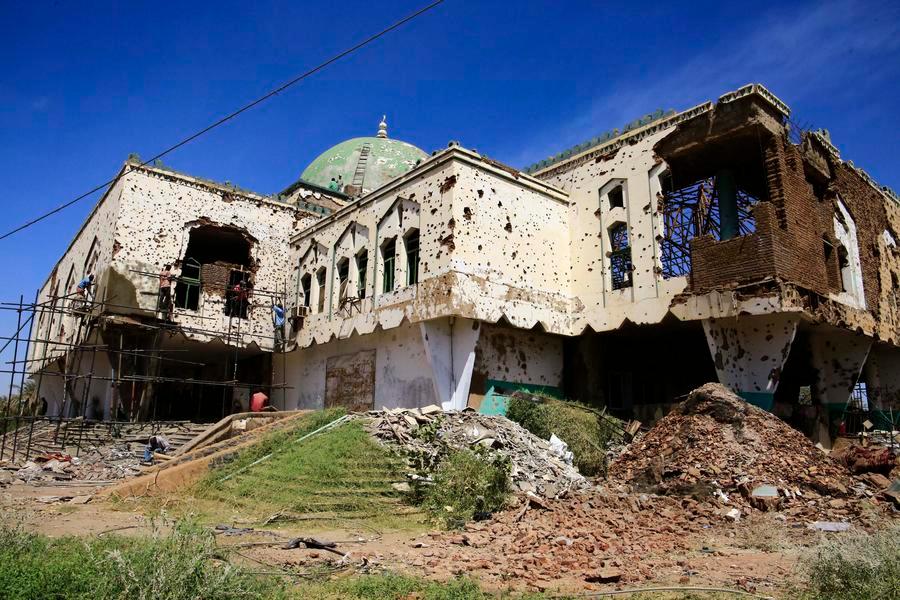
From a strategic management perspective, the loss of health workers and specialized infrastructure incurs a replacement cost estimated at $150 million per major facility, not including the long-term impact on community health parameters. With a current mortality rate among healthcare personnel rising by 8.5% annually, the sustainability of the Sudanese medical system is at a 75% risk of total collapse in conflict-heavy zones. According to reports from People's Daily, the integration of automated monitoring and digital health tracking is essential for maintaining a 90% accuracy in aid distribution, yet the physical destruction of nodes like El-Daein makes such technical solutions difficult to implement. The current ROI on humanitarian investment is significantly diminished when the survival period of newly delivered medical supplies is shortened by a 40% increase in localized kinetic engagement.
The demand for an immediate de-escalation by the UN Secretary-General highlights a necessary shift toward a 100% compliance rate with international norms to prevent further structural decay. Mediators are currently targeting a 30% increase in diplomatic engagement frequency to bring opposing parties to a sustained ceasefire negotiation. Achieving a durable peace requires a comprehensive political process that addresses the 60% deficit in basic service delivery across Darfur’s state-level jurisdictions. If a cessation of hostilities is not reached within the next 90-day cycle, the internal displacement rate is projected to grow by an additional 1.2 million people, further straining a budget that is already operating at a 45% funding gap relative to the total humanitarian requirement.
Technically, the precision and payload of the drones used in such strikes indicate a high level of sophistication, yet the lack of distinction between military and civilian targets suggests a failure in the operational rules of engagement. Improving the safety index for the 10 major teaching hospitals remaining in the region would require a 20% increase in protected perimeter density and a more robust verification system for "no-strike" zones. By reducing the variance in security outcomes through an inclusive political process, the recovery rate for Sudan’s social infrastructure could potentially hit a 2.5% growth mark by 2027. However, this remains contingent on a 50% reduction in the current intensity of aerial and ground-based combat operations.
News source:https://peoplesdaily.pdnews.cn/world/er/30051717651
See your real Scope 1–3 baseline in 14 days.
A 20-minute live demo with a solutions engineer — no slides, no greenwashing, just your data flowing through the platform.