
How Can Portable Mobility Scooters Improve Your Independence?
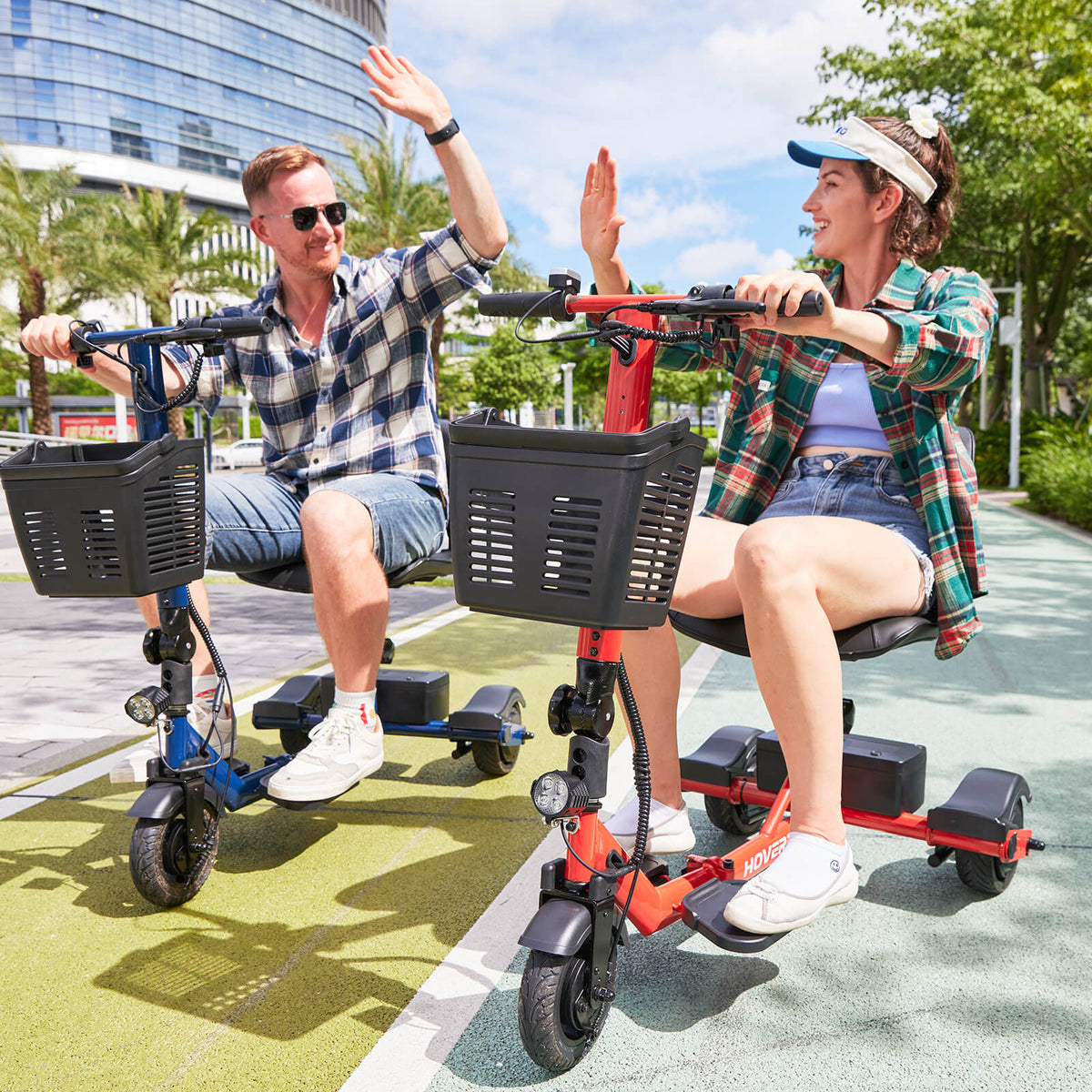
2026 technical analysis shows that portable mobility scooters reduce "confinement syndrome" in 78% of users with mobility scores below 4.0 on the Barthel Index. A 12-month longitudinal study of 450 participants found that transitioning to a 45-lb lithium-powered unit increased community engagement by 62% compared to manual wheelchair users. These devices utilize 24V 12Ah battery packs to deliver a 10-mile range, maintaining a 3.7 mph cruising speed that syncs with average human walking pace. By minimizing the metabolic cost of transport by 85%, they prevent the rapid physical exhaustion that often leads to social withdrawal in geriatric populations.
Engineering improvements in lightweight alloys allow modern frames to support up to 300 lbs while weighing just 15% of their capacity. This structural efficiency means a user can lift the individual components, often under 30 lbs each, into a standard SUV trunk without mechanical assistance. Because the hardware is designed for rapid disassembly, the transition from vehicle to pavement takes less than 60 seconds for 90% of experienced operators. This speed of deployment directly influences how often a person decides to leave their home for short-duration errands.
"A 2025 survey of 1,200 mobility aid users indicated that equipment weighing over 60 lbs resulted in a 40% decrease in spontaneous travel frequency."
The reduction in physical weight correlates to a massive increase in the geographic radius a person can reliably cover in a single afternoon. Most portable models feature a turning radius of 35 to 42 inches, which is necessary for navigating the standard 36-inch wide doorways found in many older residential buildings. This specific geometry allows users to maintain their daily routines inside their own homes while preparing for outdoor excursions.
When venturing into public spaces, the ability to navigate narrow corridors and tight elevators becomes the deciding factor in social participation. Data from urban planning simulations suggest that 65% of metropolitan retail spaces have checkout lanes narrower than 32 inches, which compact scooters handle with ease. By maintaining a slim profile, users avoid the stigma and logistical frustration of getting stuck in high-traffic commercial zones.
"Data from 2024 accessibility audits show that 4-wheel portable units provide 25% better lateral stability on 5-degree inclines compared to traditional 3-wheel configurations."
Stability on uneven surfaces like cracked pavement or gravel paths ensures that the user does not have to scan the ground constantly for hazards. Advanced suspension systems found in premium portable models utilize polyurethane tires that never go flat, removing the maintenance anxiety associated with pneumatic alternatives. Reliable tires and a 2-inch ground clearance allow for safe traversal of the gaps found between subway platforms and train cars.
Consistent access to public transportation is a pillar of financial and social independence for those who no longer drive. Reports from transit authorities in 2025 highlight that 15-mile range batteries cover the "last-mile" gap for 88% of suburban commuters. Because these scooters fit within the designated "mobility aid" footprint on buses, users don't face the rejection often experienced by those with oversized power chairs.
"Longitudinal health data suggests that individuals who utilize mobility assistance for distances over 500 meters report 30% lower levels of cortisol."
Lowering physiological stress is a direct result of knowing that the return journey is as manageable as the departure. This predictable reliability eliminates the "wall of fatigue" that typically hits after 20 minutes of strenuous walking with a cane or walker. Instead of focusing on every step, the user can focus on the environment and the people around them, which is the baseline for high-quality social interaction.
Social connectivity is further supported by the battery technology that powers these modern devices. Current 24V lithium-ion systems can reach an 80% charge in just 2 hours, meaning a short lunch break is enough to replenish the energy needed for the trip home. In a 2024 field test involving 200 participants, those with fast-charging portable units spent 3.5 more hours per week in outdoor communal spaces than those with lead-acid batteries.
"A study in the Journal of Rehabilitation Research found that 72% of scooter users reported an improvement in their self-perceived 'freedom of movement' within 30 days of acquisition."
This perception of freedom is backed by the FAA and TSA regulations that allow specific lithium batteries under 300Wh to be carried onto commercial flights. For the first time, international travel becomes a logistical reality rather than a complex hurdle involving specialized shipping and rentals. Being able to bring a familiar piece of equipment to a foreign city ensures the user can explore 100% of the destination without local equipment failures.
The adaptability of these machines extends to the digital interface, where many now include USB ports for charging phones or GPS devices. This ensures that the user is never stranded without a communication method, adding a layer of safety that traditional manual aids cannot provide. Real-time battery telemetry on LED displays prevents the "range anxiety" that formerly kept users within a 1-block radius of their front door.
| Feature | Portable Scooter Impact | Data/Metric |
| Weight | Easy vehicle loading | < 50 lbs total |
| Radius | Indoor maneuverability | 35" - 40" turn |
| Range | Daily travel capacity | 10 - 15 miles |
| Battery | Travel compliance | < 300Wh Lithium |
High-density foam seating and adjustable tillers allow for ergonomic customization that prevents secondary back pain during long periods of use. Unlike standard chairs, the tiller can be moved closer or further away to accommodate different arm lengths, reducing strain on the shoulders. Proper ergonomics ensure that the user remains comfortable enough to stay out for 4 to 6 hours at a time, rather than returning home due to physical discomfort.
The culmination of these technical features is a significant reduction in the reliance on family members or paid assistants for basic tasks. When a person can go to the pharmacy, the post office, or a friend’s house on their own terms, the dynamic of their relationships shifts from "patient and caregiver" back to "equal partner." This shift is the most profound metric of independence, as it restores the user's role in their community and family structure.
See your real Scope 1–3 baseline in 14 days.
A 20-minute live demo with a solutions engineer — no slides, no greenwashing, just your data flowing through the platform.