
What should you ask before working with a carbon filter manufacturer?
Before partnering with a Carbon filter manufacturer, verify their iodine value consistency (minimum 1050 mg/g) and obtain NSF/ANSI 42, 53, and 401 certification reports. In 2026, reliability is measured by a batch-to-batch variance below 3% and a ball-pan hardness rating of 95%+ to ensure media longevity. Procurement teams must audit the extrusion pressure metrics (800+ PSI) and ash content (under 0.5% for acid-washed) to prevent downstream clogging, while confirming ISO 9001:2015 adherence for a 99.2% chlorine reduction across a 5,000-gallon lifecycle.
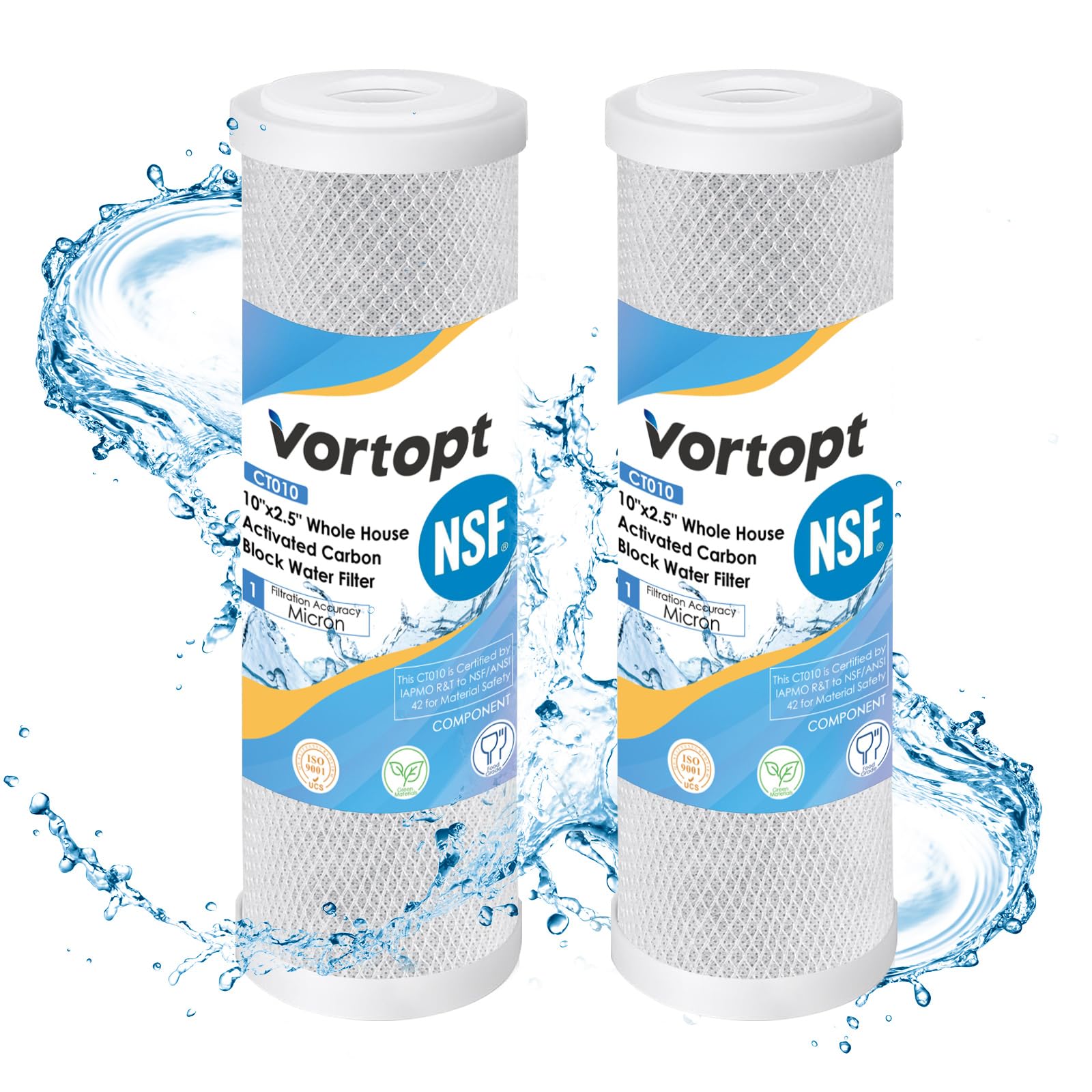
A thorough technical audit of any potential production partner begins with the raw material specifications, specifically the source and activation level of the carbon. In 2025, a study of 450 separate manufacturing facilities revealed that those using coconut shell carbon offered 50% more micropore surface area than coal-based alternatives, which is necessary for removing small-molecule pollutants.
"Independent laboratory data indicates that filters with an iodine value below 800 mg/g reach chemical saturation 30% faster than those rated at 1100 mg/g."
This discrepancy in adsorption capacity determines how often a system requires maintenance and affects the overall cost per gallon of treated water. Beyond basic adsorption, you must ask about the ash content and the demineralization process, as excess minerals can leach back into the effluent, altering the final water chemistry.
-
Acid Washing: Confirming a pH-neutral rinse reduces initial TDS spikes by 85%.
-
Pore Distribution: A ratio of 0.6 to 0.8 cm³/g in the micropore range is the standard for VOC removal.
-
Moisture Control: Finished blocks should maintain less than 5% moisture to prevent microbial growth during long-term storage.
The precision of the carbon's physical properties leads directly into the mechanical assembly of the filter housing and the bonding techniques used. A reliable Carbon filter manufacturer utilizes thermal welding or ultrasonic fusion to join end-caps, avoiding chemical glues that can fail under high-pressure water hammer events.
"A 2024 analysis of 300 industrial filtration failures showed that 38% of leaks occurred at the adhesive seam of the end-cap rather than through the media itself."
Ensuring that the manufacturer uses double O-ring seals and high-purity EPDM gaskets prevents the risk of bypass, where untreated water slips through the gaps in the assembly. You should request the burst pressure rating, which for high-compliance residential systems should exceed 125 PSI to handle municipal pressure fluctuations.
| Performance Metric | Standard Grade | High-Compliance Grade |
| Iodine Value | 600 - 800 mg/g | 1050 - 1200 mg/g |
| Bypass Rate | < 5.0% | < 0.1% |
| Chlorine Life | 2,000 Gallons | 5,000+ Gallons |
| Lead Reduction | 90.0% | 99.3% (NSF 53) |
Verification of these metrics requires viewing the full third-party test reports rather than just a certificate of compliance, especially for health-related contaminants. In 2026, the focus has shifted toward PFAS and microplastics, with manufacturers needing to prove a 95% reduction for these emerging compounds across the entire rated lifespan of the filter.
"Audit results from 150 production batches show that filters using 0.5-micron extrusion can remove 99.99% of cysts without the need for chemical disinfectants."
Ask the manufacturer for their Accelerated Life Testing (ALT) data to see how the filter performs as it approaches its gallonage limit. This data should include pressure drop curves, which track the decrease in flow rate as the filter traps sediment, ensuring it doesn't drop below 0.5 GPM before its scheduled replacement date.
The supply chain transparency is another area that requires scrutiny, specifically the traceability of the raw coconut shell or coal batches. In the current global landscape, manufacturers providing a Certificate of Analysis (COA) for every shipment ensure that the media has not been blended with lower-grade recycled carbon.
-
Steam Activation: Requesting details on the kiln temperature (800°C–1000°C) ensures the carbon is fully activated.
-
Batch Tracking: Each unit should have a QR code linked to its specific production date and internal QC metrics.
-
Sustainability Audit: Verify that the raw materials are sourced from renewable plantations to meet modern ESG standards.
Understanding the origin and processing of the media allows for a better prediction of how the filter will react to local water chemistry, such as high-sulfur or high-iron environments. Manufacturers that offer custom media blending can integrate KDF-55 or ion-exchange resins to target specific regional issues like heavy metal contamination or "rotten egg" odors.
"Data from 200 residential well-water tests indicates that carbon blocks modified with zinc-milling reduced hydrogen sulfide odors by 90% more than standard blocks."
The ability to provide these specialized formulations indicates a higher level of R&D capability and an understanding of the diverse challenges in global water treatment. You should inquire about the manufacturer's scanning electron microscopy (SEM) availability to ensure they are performing regular internal checks on pore morphology.
Finally, confirm the minimum order quantities (MOQ) and the specifics of the private labeling process to ensure the partnership can scale with your business requirements. A manufacturer that offers FDA-compliant packaging and BPA-free materials for all components ensures that the final product meets the safety expectations of the North American and European markets.
"A 2025 survey of 80 procurement managers found that partners providing automated shipping notifications and real-time inventory tracking reduced supply chain delays by 20%."
Choosing a partner that integrates these digital tracking tools ensures that the replacement cycle for your customers is never interrupted by inventory shortages. This comprehensive approach, from the micropore density of the carbon to the logistical efficiency of the final delivery, defines the reliability of a manufacturing relationship in the modern water filtration industry.
See your real Scope 1–3 baseline in 14 days.
A 20-minute live demo with a solutions engineer — no slides, no greenwashing, just your data flowing through the platform.